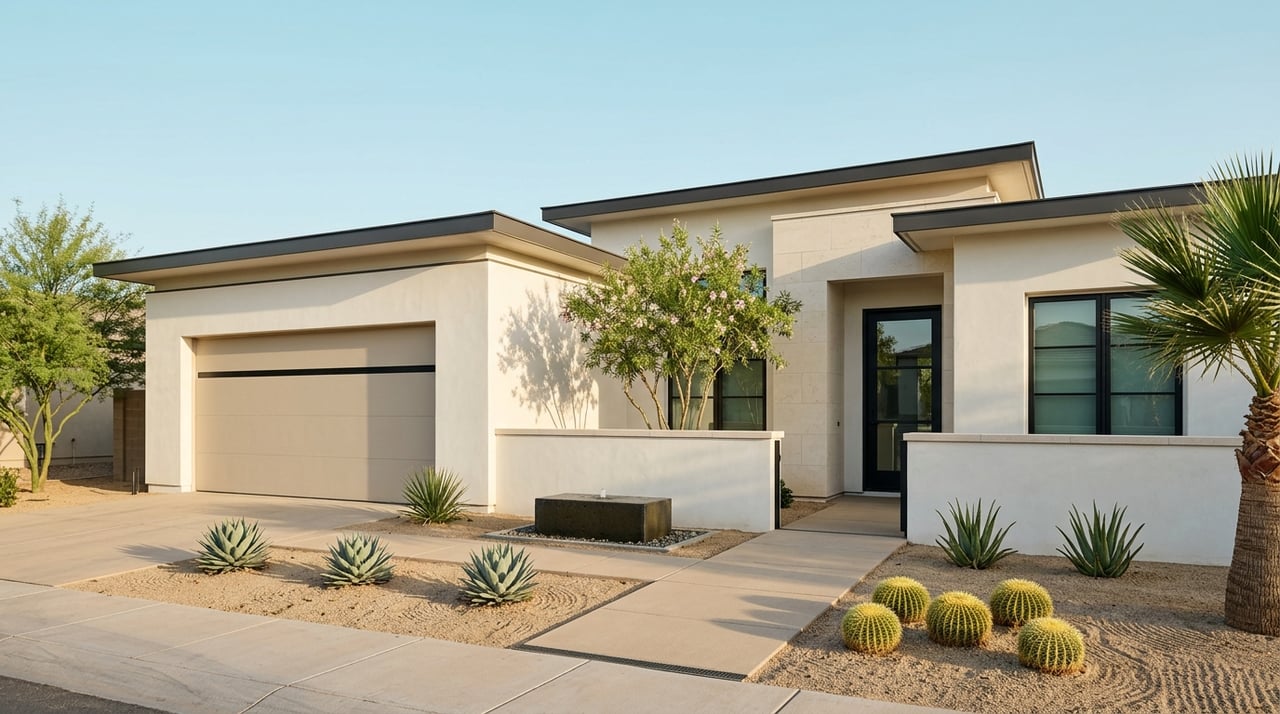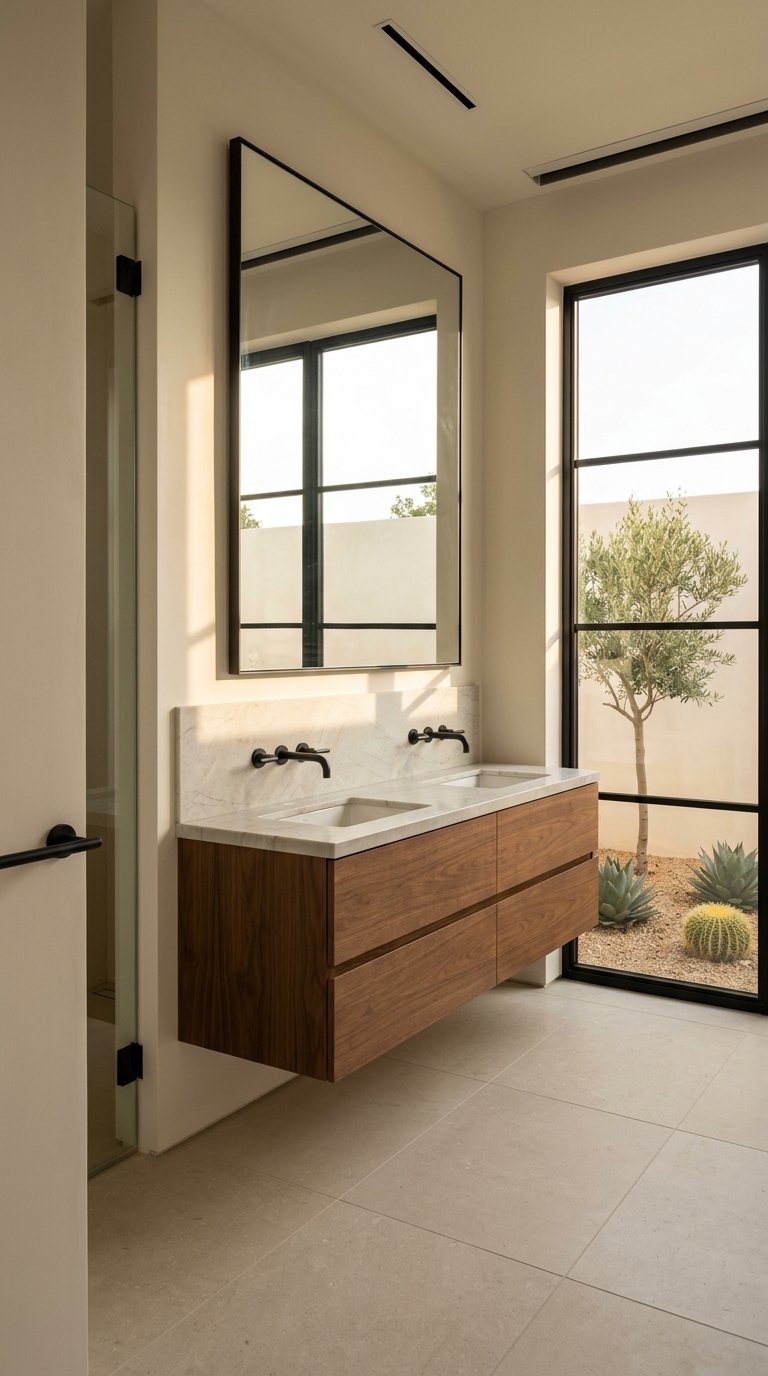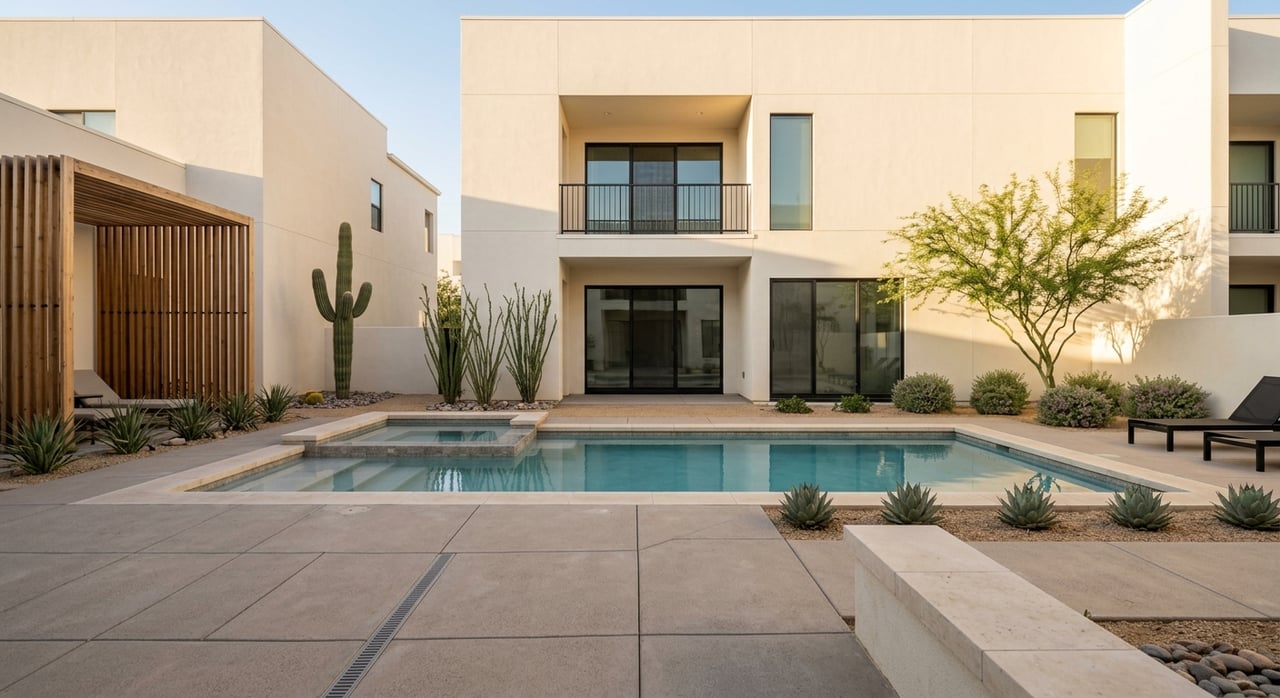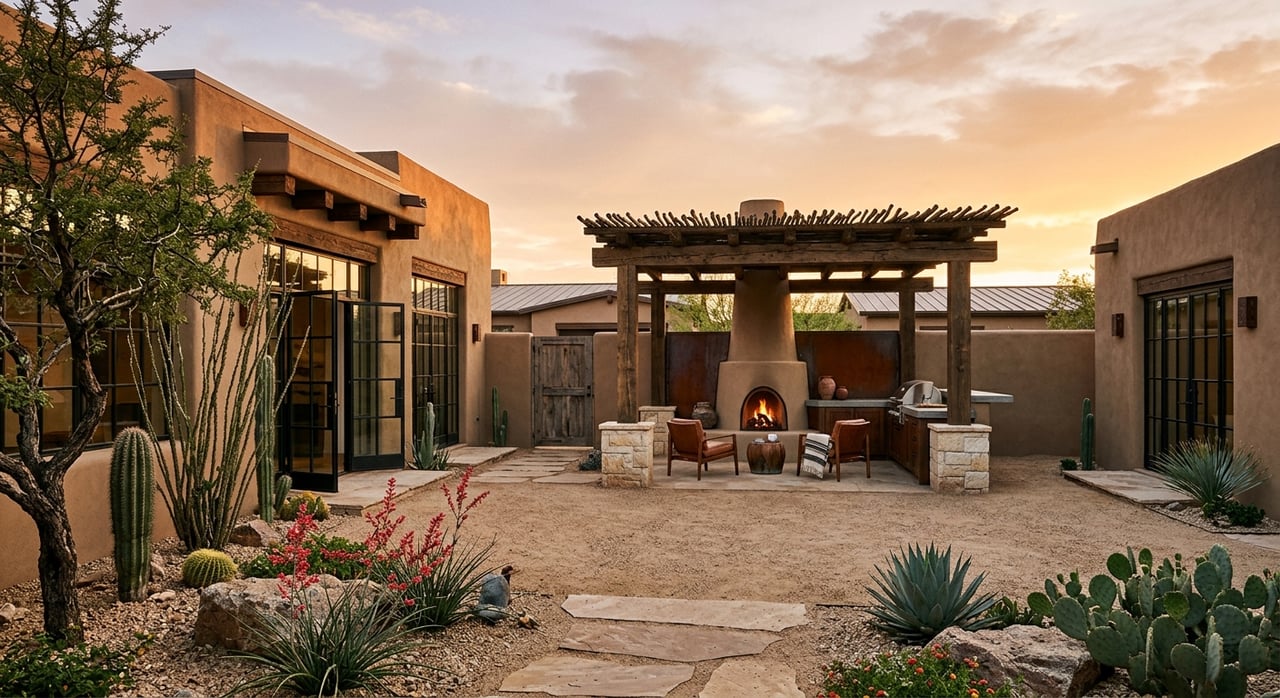
If you want more space, more quiet, and a stronger connection to the Sonoran Desert, Cave Creek stands apart. This is not just another version of Scottsdale with a rustic look. It offers a distinct mix of open land, Western character, trail access, and larger-lot living that appeals to buyers who want luxury with breathing room. Let’s take a closer look at what “desert retreat” really means in Cave Creek.
What Defines a Cave Creek Desert Retreat
A Cave Creek desert retreat usually starts with setting. The town has a long ranching and mining history, and it still presents itself with an Old West appearance, local galleries, boutique shopping, restaurants, and nightlife in a desert environment close to Phoenix. That combination gives you a lifestyle that feels both tucked away and connected.
Scale also shapes the experience. Cave Creek is much smaller and less dense than Scottsdale, with far fewer people spread across a larger-feeling landscape. In practical terms, that supports a sense of privacy, open views, and a more rugged atmosphere.
For many buyers, that is the core appeal. You are not just buying a house. You are buying room to spread out, a stronger sense of place, and a daily backdrop of desert terrain, mountain views, and big Arizona skies.
Why Cave Creek Feels Different
Lower Density, More Space
Cave Creek had 4,892 residents in 2020 and an estimated 5,177 in 2024 across 37.71 square miles. That works out to about 129.7 people per square mile. By comparison, Scottsdale had 241,361 residents in 2020 and an estimated 243,006 in 2025 across 184 square miles, or about 1,311.7 people per square mile.
That gap helps explain why Cave Creek often feels more spacious and private. Homes, roads, and daily activity are generally experienced in a lower-density setting. If you are looking for a property that feels removed from city intensity, this matters.
A More Rural, Self-Reliant Setting
The town’s notice to prospective property owners highlights several features that shape everyday life in Cave Creek, including open space, Desert Rural areas, dark skies, limited sewer coverage, higher water costs than some nearby areas, no municipal trash service, and many rural or private roads. Those details reinforce that Cave Creek is not built around a typical urban service model.
For some buyers, that is exactly the point. The appeal is the sense of independence and the feeling that the desert landscape still sets the tone for the community.
Outdoor Access Is Part of Daily Life
One of the biggest draws of a Cave Creek desert retreat is how easily the outdoor lifestyle fits into your routine. The Town of Cave Creek maintains a multi-use trail network that connects neighborhoods to Cave Creek Regional Park, Spur Cross Ranch Conservation Area, the Tonto National Forest, the Maricopa Trail, and Desert Foothills Land Trust properties.
These trails support hiking, biking, and horseback riding, and the town notes that horses have the right-of-way on trails. That is a meaningful detail because it speaks to the area’s equestrian culture and how embedded it is in daily life.
Cave Creek Regional Park
Cave Creek Regional Park covers 2,934 acres near town, with elevations ranging from 2,000 to 3,060 feet. Maricopa County describes wide desert views and a horse staging area, and notes that the Go John Trail can feel miles away from civilization even though the park is close to town.
For buyers, that means outdoor access is not just theoretical. You can live near a home base that keeps you close to broad views, varied terrain, and trail-based recreation without giving up access to dining and services.
Spur Cross Ranch Conservation Area
Spur Cross Ranch Conservation Area adds another layer to the lifestyle. The county describes it as a 2,154-acre protected Sonoran Desert area near Cave Creek with a substantial trail system and a more rugged, remote feel.
If your ideal home includes quick access to scenic desert outings, this setting supports that vision. It is one reason Cave Creek often appeals to buyers who want a stronger sense of retreat than they find in more built-out parts of the Valley.
What Homes Often Include
The term “desert retreat” means more than finishes or architecture. In Cave Creek, it often reflects the land use framework that allows for larger lots and certain accessory features, especially in Desert Rural zones.
The town’s residential zoning code is designed to protect scenic vistas, natural habitats, hillsides, and washes. That matters because it helps preserve the visual and physical character that buyers are often seeking in the first place.
Larger Lots and Outdoor Living
Minimum lot sizes in Cave Creek range from 18,000 and 35,000 square feet in smaller residential districts to 43,000, 70,000, 89,000, and 190,000 square feet in Desert Rural districts. That supports the possibility of more separation between homes and more room for features tied to outdoor living.
The code also allows accessory buildings, swimming pools, garages, sport courts, and alternative energy systems in residential zones. When buyers picture a retreat property with generous patios, flexible structures, and room to enjoy the setting, those zoning standards help explain why Cave Creek can deliver it.
Casitas and Detached Living Quarters
A common buyer question is whether a property can include a casita or guest space. In Cave Creek, the town code treats this as a detached accessory living quarter, and that use is restricted to Desert Rural zones rather than allowed town-wide.
That distinction is important if detached guest accommodations are part of your wish list. It also shows why it helps to look beyond listing language and understand how a property fits within local zoning.
Horse Facilities and Ranch Uses
In Desert Rural zones, the town allows one principal home plus private ranch uses on at least two contiguous acres. The code specifically includes boarding, breeding, equine training, and equine lessons, and it also allows features such as corrals, barns, and horse shades in those zones.
So if your idea of luxury includes horses, training space, or a true ranch setup, Cave Creek offers a factual basis for that lifestyle. It is not just an aesthetic theme. In the right zoning context, it is part of how the town is structured.
Western Character Adds to the Lifestyle
Cave Creek’s public identity leans heavily into its Western roots. The town describes itself as a quirky western town with cowboys, art galleries, golf, hiking, great shops, history, and live bull riding. That branding is not incidental. It is central to how the community presents itself.
Historic Core, Shops, and Galleries
The Historic Town Core is described by the town as the backbone of local tourism. That helps explain why galleries, shops, and dining are concentrated in a walkable area.
The town’s art gallery listings include Blue Coyote Gallery, Blue Sage Gallery, Rare Earth Gallery, and Sergio Ladron de Guevara. For buyers, that means the local experience is not only about desert views and trailheads. It also includes a defined cultural and small-town commercial center.
Rodeo and Ranch Atmosphere
The Cave Creek Rodeo Grounds and Cave Creek Rodeo Days keep rodeo culture visible in everyday community identity. The rodeo grounds are used for rodeo events and can also be reserved for other uses, reinforcing the ranch-oriented atmosphere.
This matters because a desert retreat in Cave Creek is often about more than the home itself. It is also about whether the broader setting feels authentic to the lifestyle you want.
Cave Creek vs. Scottsdale
Buyers often compare Cave Creek and Scottsdale because both offer desert living, but the experience is not the same. Scottsdale functions much more like a large city, with urban, suburban, and rural character areas across a much larger population base.
Cave Creek, by contrast, is shaped more clearly by open land, Desert Rural zoning, trail connectivity, and a stronger Western identity. It also differs in practical ways, including how detached accessory living quarters are handled and how municipal services are provided.
If you want more polished urban convenience, Scottsdale may fit better. If you want a home that feels more private, more equestrian-friendly, and more closely tied to desert land and local Western culture, Cave Creek deserves a serious look.
What Buyers Should Keep in Mind
A Cave Creek desert retreat can be a great match, but it helps to go in with clear expectations. Lifestyle value here is often tied to land, trails, views, and zoning, not just interior finishes.
As you narrow your search, focus on a few key questions:
- Is the property in a Desert Rural zone or another residential district?
- Do you want detached guest space, and is that use allowed there?
- Are equine features part of your goals?
- How important are trail access, open space, and mountain views?
- Are you comfortable with a more rural service environment?
Those details can shape how well a home fits your long-term needs. In a place like Cave Creek, the land and the setting are just as important as the square footage.
If you are exploring Cave Creek because you want a property that feels elevated, grounded, and distinctly Arizona, a thoughtful local strategy matters. The Schneider Luxury Real Estate Team can help you compare Cave Creek with nearby markets, evaluate property fit, and move forward with clear guidance.
FAQs
What makes a Cave Creek home feel like a desert retreat?
- A Cave Creek desert retreat usually combines lower-density surroundings, open desert views, trail access, larger lots, and a strong Western town identity.
Are horses allowed at homes in Cave Creek?
- In Desert Rural zones, Cave Creek allows private ranch uses on at least two contiguous acres, including equine-related uses such as boarding, breeding, training, and lessons.
Are casitas allowed on all Cave Creek properties?
- No. Detached accessory living quarters are restricted to Desert Rural zones rather than allowed everywhere in town.
Does Cave Creek have good trail access for homeowners?
- Yes. The town says its trail system connects neighborhoods to Cave Creek Regional Park, Spur Cross Ranch Conservation Area, the Tonto National Forest, the Maricopa Trail, and Desert Foothills Land Trust properties.
How is Cave Creek different from Scottsdale for buyers?
- Cave Creek is smaller, less dense, more rural in feel, and more closely tied to open land, equestrian uses, and a Western cultural identity than Scottsdale.
What should buyers verify before purchasing in Cave Creek?
- Buyers should confirm zoning, allowed accessory uses, equine allowances, trail relationships, and practical property conditions tied to Cave Creek’s more rural setting.