If you want desert views without feeling cut off from the rest of metro Phoenix, Fountain Hills deserves a closer look. Many buyers are drawn to the area for its scenery, quieter pace, and established feel, but they also want to know what everyday life is actually like once the novelty wears off. This guide walks you through the rhythm of daily living in Fountain Hills, from parks and trails to dining, commuting, and housing options, so you can decide whether it fits the way you want to live. Let’s dive in.
What Fountain Hills feels like
Fountain Hills sits on the eastern slopes of the McDowell Mountains in the Upper Sonoran Desert, and that setting shapes almost everything about daily life. According to the town’s general plan, the community is known for mountain vistas, natural desert vegetation, dark skies, and a small-town feel within a major metro area.
That combination gives the town a more settled rhythm than many fast-growing Valley communities. Because Fountain Hills is largely built out, it tends to feel established rather than under constant construction. The same town planning materials also note that its elevation is several hundred feet higher than much of metro Phoenix, which often means slightly cooler conditions than the Valley floor.
Fountain Park anchors daily life
At the center of town, Fountain Park is much more than a landmark. It is a 64-acre passive recreation area that functions as a true everyday gathering place for residents.
The fountain itself runs every hour for 15 minutes from 9:00 a.m. to 9:00 p.m., giving the park a regular pulse throughout the day. The park also includes a splash pad, amphitheater, walking trail, disc golf course, ramadas, and public art, which helps make it part of normal routines instead of just a place you visit when guests are in town.
For many people, that shapes the overall feel of living here. You have a recognizable town center, open views, and a place that supports both quiet walks and community events in a way that feels easy and accessible.
Outdoor access is a major draw
If you spend a lot of time outside, Fountain Hills offers strong trail access right from town. The local parks system identifies Golden Eagle Trailhead and Adero Canyon Trailhead as the two major trailheads within Fountain Hills.
The preserve history tied to Adero Canyon says it opened access to about 12 miles of McDowell Mountain trails. More broadly, this trail network connects Fountain Hills to Scottsdale’s McDowell Sonoran Preserve and Maricopa County’s McDowell Mountain Regional Park, creating more than 52,000 acres of contiguous Sonoran Desert access.
That means your outdoor options can range from a quick morning walk to a more ambitious weekend hike. It is one of the clearest lifestyle advantages of the area, especially if you value open space and natural surroundings over dense urban convenience.
Pet-friendly living in Fountain Hills
For pet owners, Fountain Hills offers practical day-to-day perks as well. The town describes itself as one of the Valley’s most pet-friendly communities, with an off-leash dog park at Desert Vista Park, pet-friendly restaurant patios, hiking trails, and related services.
That may sound like a small detail, but it often matters when you are choosing where to live. Walkability for your routine, nearby outdoor areas, and simple conveniences for pets can make a real difference in how a community feels on a daily basis.
Downtown is compact and easy to use
Downtown Fountain Hills is the social core of the community, and the Avenue of the Fountains is at the heart of it. The town describes this area as a linear park with boutiques, restaurants, and public parking that supports shopping, events, and dining.
That setup gives downtown a practical, approachable feel. You are not dealing with a large, congested urban core. Instead, you get a walkable central area that works well for a casual dinner, a weekend outing, or an easy stop while running errands.
The town’s downtown strategy also frames the Town Center as a walkable, bikeable mixed-use heart, even though the broader community remains more car-oriented. For many buyers, that balance is appealing because it offers a usable downtown experience without the intensity of a bigger city center.
Dining and local events
The dining scene is more local than high-density, which fits the town’s overall character. The town’s shop, dine, and stay guide highlights spots like Grapeables Wine Bar, Parkview Tap House, Crowning Glory Tea Room, and Snowbird Ice Cream Co.
The same guide also points to recurring events such as the Art on the Avenue/Farmer’s Market and the Fountain Festival of Fine Arts & Crafts. Free parking throughout shopping, event, and outdoor areas adds another level of convenience that many residents appreciate.
Arts and culture are part of everyday life
Fountain Hills has a stronger arts presence than some buyers expect from a smaller desert town. The town’s Arts & Culture page says Fountain Hills has over 100 public art pieces, while related town materials reference 150 pieces across the community.
You see that presence in murals, installations in Fountain Park, art near the Community Center and Library, and pieces woven into ordinary routes around town. The community also highlights Fountain Hills Theater and the River of Time Museum, which adds another layer to local life.
That matters because it keeps the town from feeling one-dimensional. Fountain Hills is not only about views and hiking. It also offers public gathering spaces and cultural touchpoints that support a fuller lifestyle.
Evenings are quieter here
Nighttime has its own identity in Fountain Hills. The town’s planning documents specifically reference dark skies, occasional Milky Way visibility, astronomy club activity, and monthly public sky watches.
For you as a resident, that can translate into a calmer nighttime atmosphere than you might find in a busier suburban retail corridor. If you prefer quiet evenings, open views, and a slower pace after dark, this is one of the town’s defining qualities.
Commuting and getting around
When you look at Fountain Hills from a lifestyle perspective, the main tradeoff is transportation. Driving is still the primary way most people get around.
The town’s general plan states that Shea Boulevard is the main connection to Scottsdale and Phoenix, while SR 87 links Fountain Hills eastward to Mesa, Chandler, Gilbert, and northern recreation areas. Transit is limited, although Valley Metro Route 515 now connects Fountain Hills to the Gilbert Road and McDowell Road station.
The town’s visitor materials also note that downtown is roughly 30 minutes from Phoenix and Scottsdale. In practical terms, Fountain Hills can work well if you are comfortable with a car-dependent routine and you value setting and quiet more than having every convenience just a few blocks away.
Housing styles and what buyers should expect
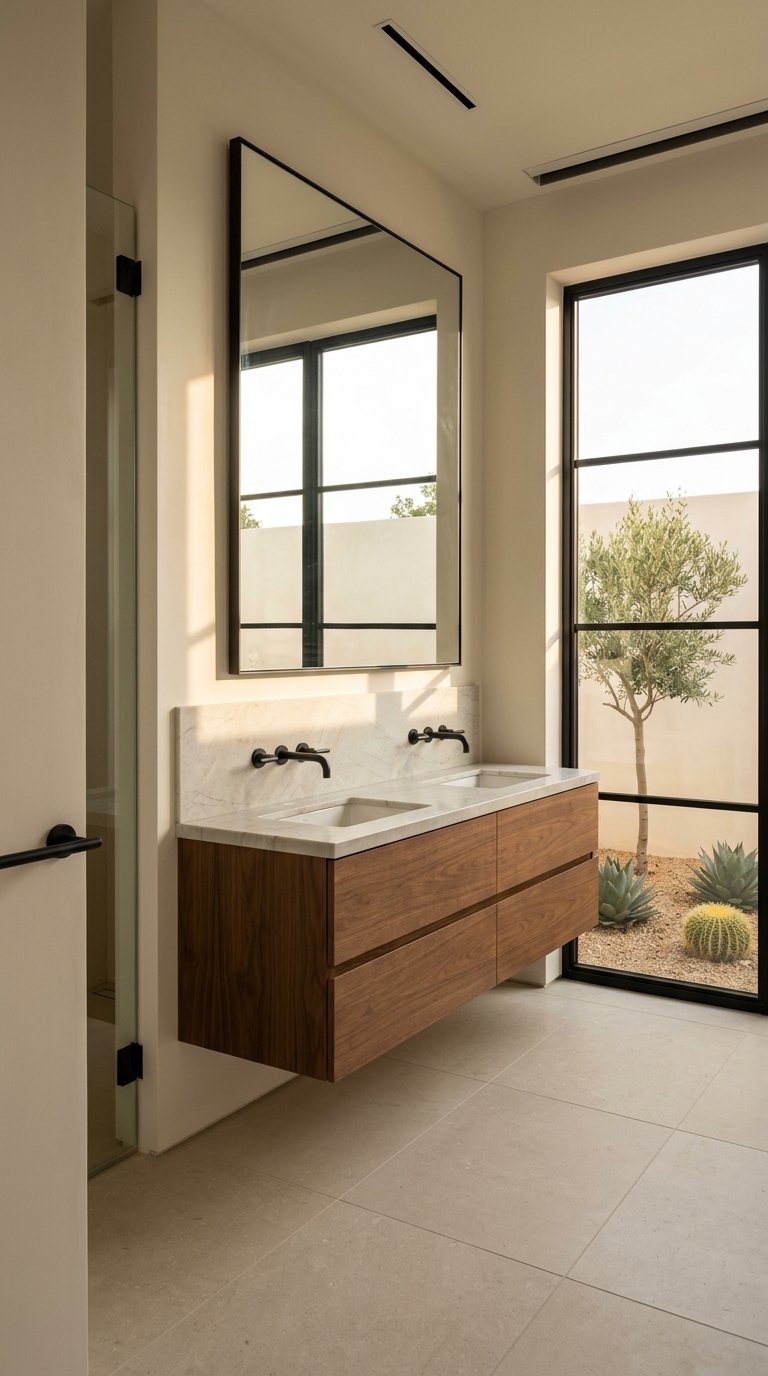
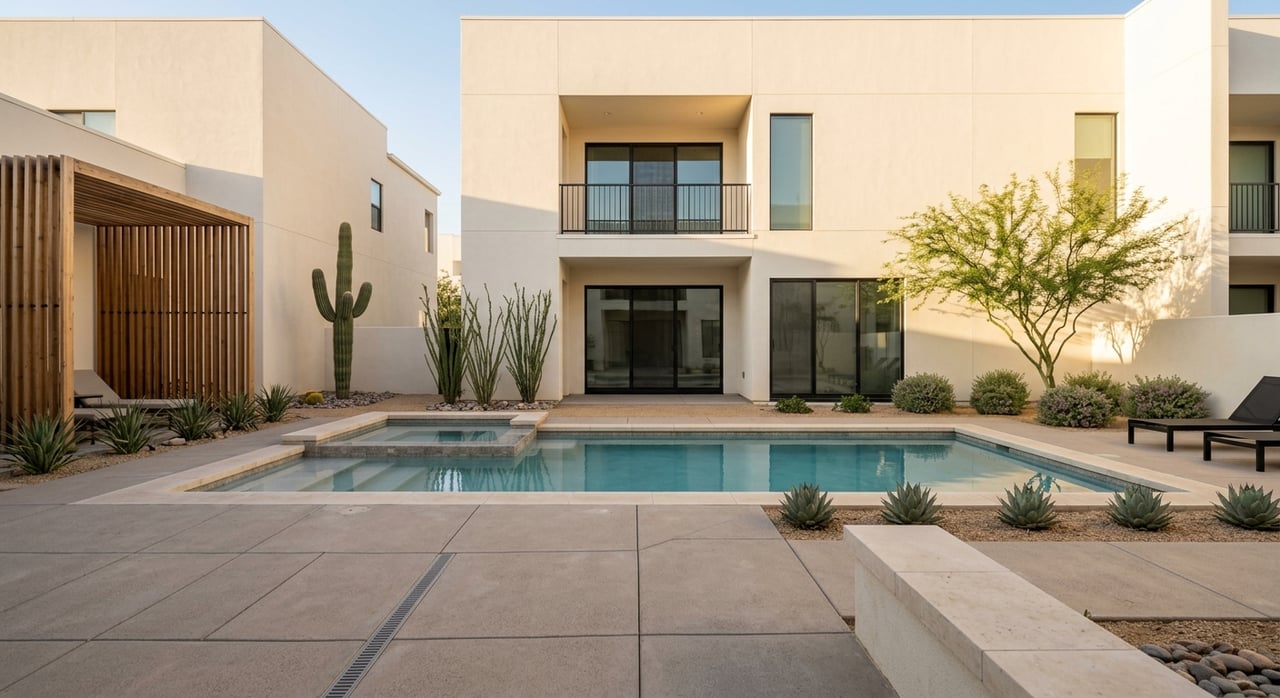
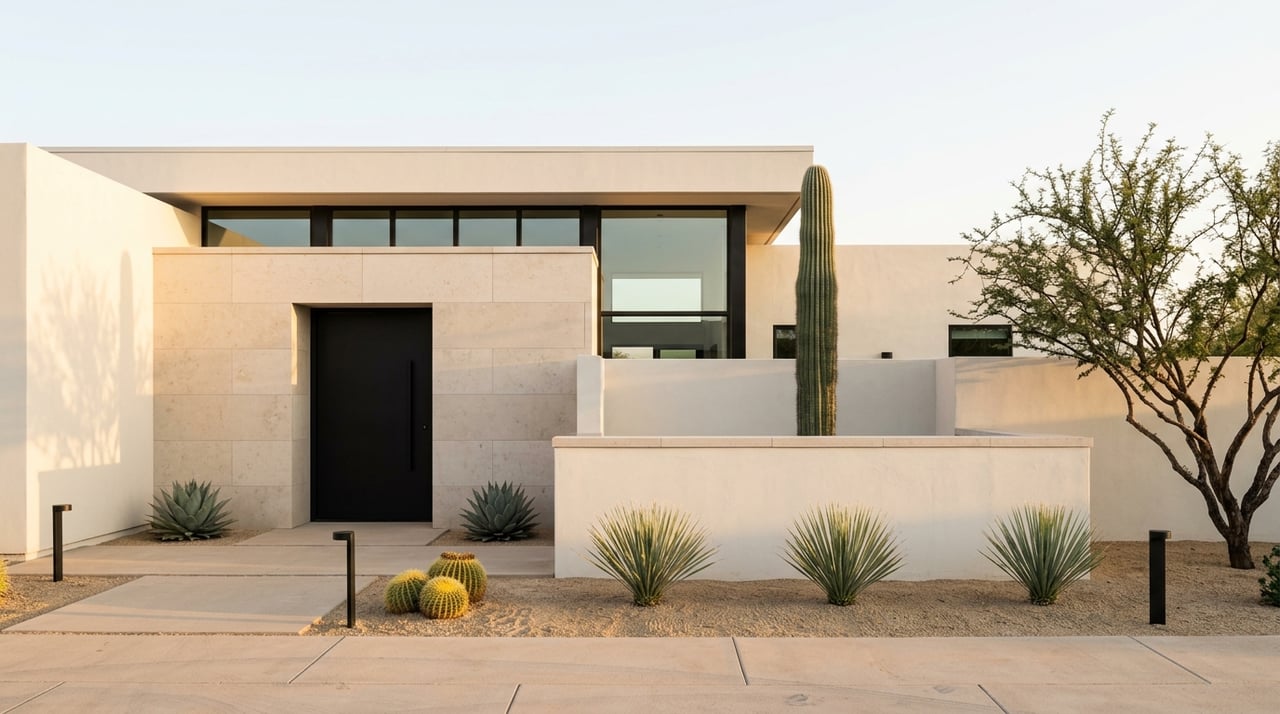
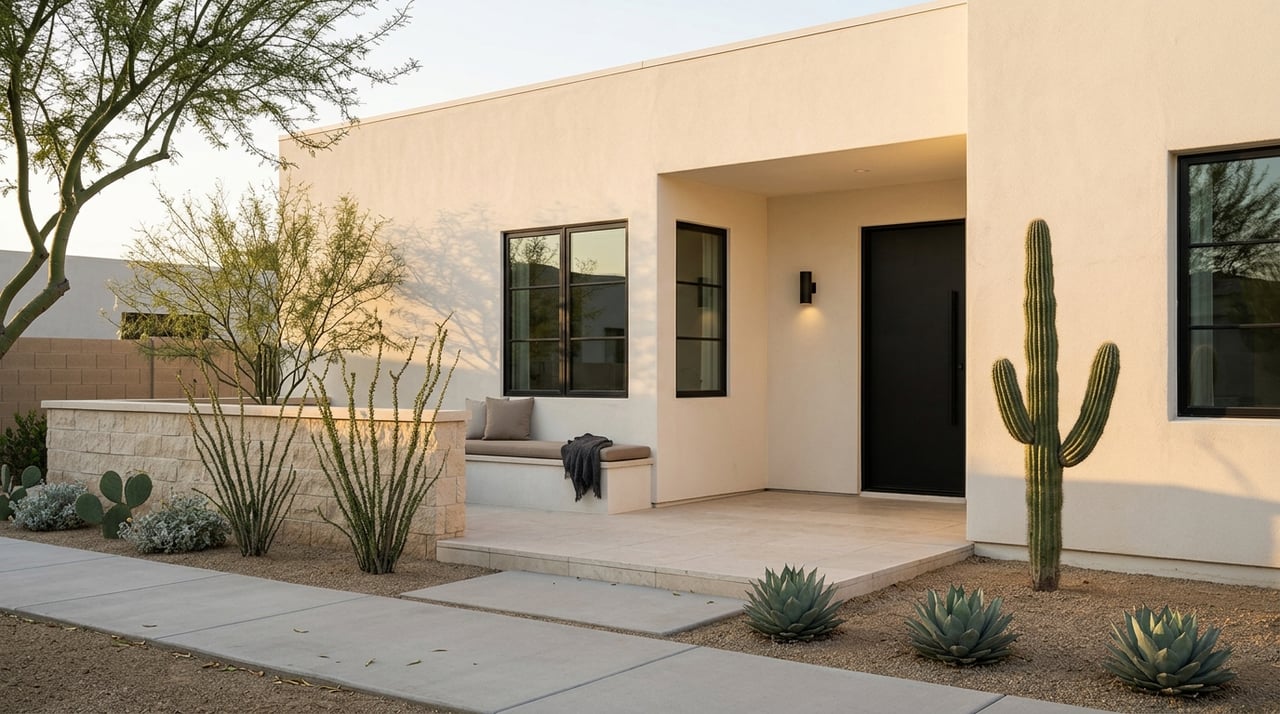
The housing stock in Fountain Hills is varied, but it is often tied closely to views, lot positioning, and architecture. Based on current new-home and property style examples, buyers will see everything from desert modern and contemporary homes to Mediterranean and contemporary Southwest styles.
Because the town is largely built out, the market conversation tends to center more on resale homes, remodels, custom properties, townhomes, condos, and selective infill rather than large-scale new subdivision growth. That often makes details like lot orientation, mountain views, HOA structure, and level of updating more important in your home search.
If you are looking for a lock-and-leave option, that can be possible here too. Inventory can include townhomes and condos alongside custom homes, which gives buyers flexibility depending on how much maintenance they want to manage.
How Fountain Hills compares on price
For many buyers, Fountain Hills stands out because it can offer a lower entry point than Scottsdale while still delivering desert views and a strong lifestyle setting. According to Zillow’s home value data, typical value in Fountain Hills is around $670,052, compared with $848,565 in Scottsdale.
The research report also notes recent Redfin figures showing median sale prices around $703,000 in Fountain Hills versus $965,000 in Scottsdale. That does not mean Fountain Hills is inexpensive, and premium custom homes can still sit well above the townwide midpoint. It does mean buyers often see relative value here compared with nearby Scottsdale.
Who tends to like living in Fountain Hills
Fountain Hills often appeals to buyers who want a scenic, established desert community with a quieter pace. It can be especially attractive if you value:
- Mountain and desert views
- Easy access to trails and open space
- A recognizable town center
- Local dining and community events
- A calmer evening atmosphere
- Housing choices that include both custom homes and lower-maintenance options
At the same time, it may be less ideal if you want a highly walkable daily routine or immediate access to major retail corridors. The lifestyle tradeoff is fairly clear: more views, more open space, and more neighborhood calm, in exchange for a more car-dependent pattern of living.
Why Fountain Hills stays on buyers’ radar
Fountain Hills occupies a useful middle ground in the Valley. It is not an isolated outpost, but it also does not feel like a dense, high-traffic suburb. That balance is a big reason buyers continue to consider it, especially those relocating to the Scottsdale area or comparing nearby lifestyle markets.
If you are weighing Fountain Hills against Scottsdale or other northeast Valley communities, the decision often comes down to what matters most in your daily routine. If setting, scenery, and a more relaxed pace rank high on your list, Fountain Hills can be a compelling option.
If you want help comparing Fountain Hills with Scottsdale and other nearby markets, the Schneider Luxury Real Estate Team can guide you through the tradeoffs, identify the right fit for your lifestyle, and help you move with confidence.
FAQs
Is Fountain Hills, Arizona walkable for daily living?
- Downtown Fountain Hills is the most walkable part of town, especially around the Avenue of the Fountains, but the community as a whole is still largely car-oriented.
What is daily life like in Fountain Hills, Arizona?
- Daily life in Fountain Hills tends to feel scenic, established, and slower-paced, with Fountain Park, trail access, local dining, arts, and quiet evenings shaping the routine.
How does Fountain Hills compare to Scottsdale for buyers?
- Fountain Hills generally feels quieter and more residential than Scottsdale, with strong access to preserves and open space, and it often offers a lower price point overall.
Are there trails and parks in Fountain Hills, Arizona?
- Yes. Major outdoor anchors include Fountain Park, Golden Eagle Trailhead, and Adero Canyon Trailhead, with access into a much larger Sonoran Desert preserve network.
What types of homes are common in Fountain Hills, Arizona?
- Buyers will find a mix of custom homes, remodeled resales, townhomes, condos, and some buildable lots, with styles that include desert modern, Mediterranean, and contemporary Southwest.
Is Fountain Hills, Arizona good for lock-and-leave buyers?
- It can be, since the market includes townhomes and condos along with single-family homes, giving buyers options for lower-maintenance ownership.