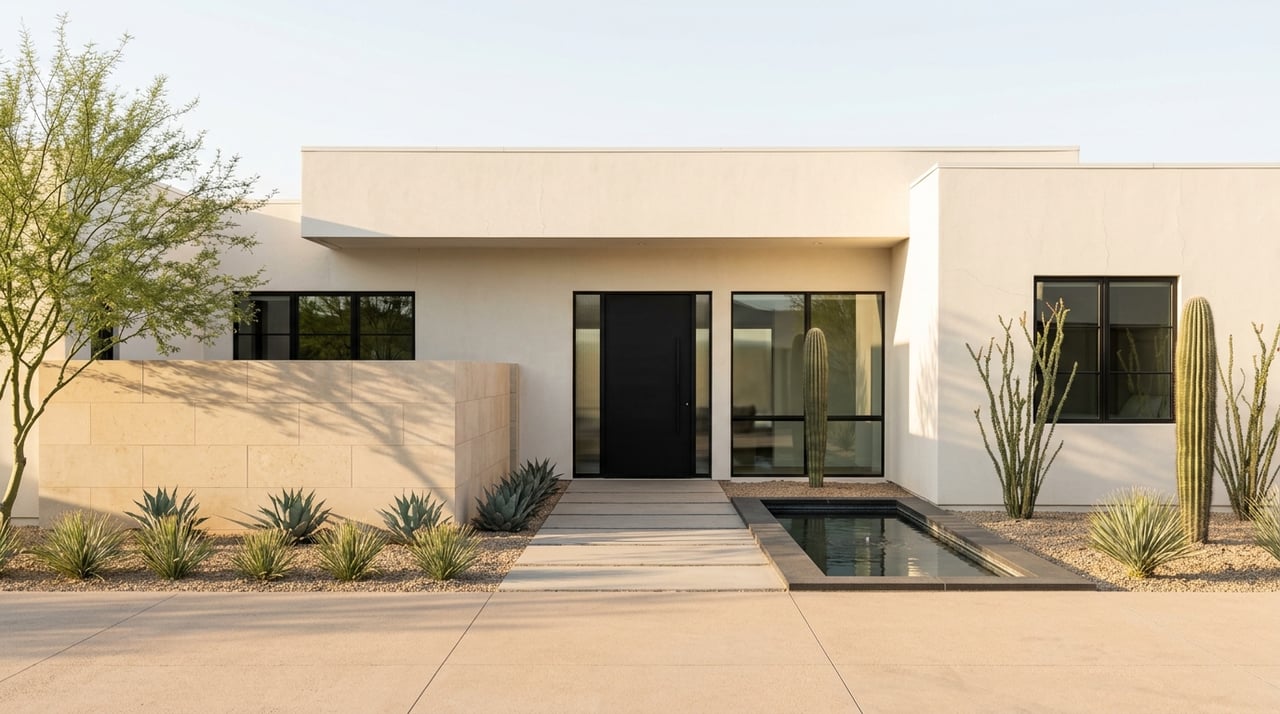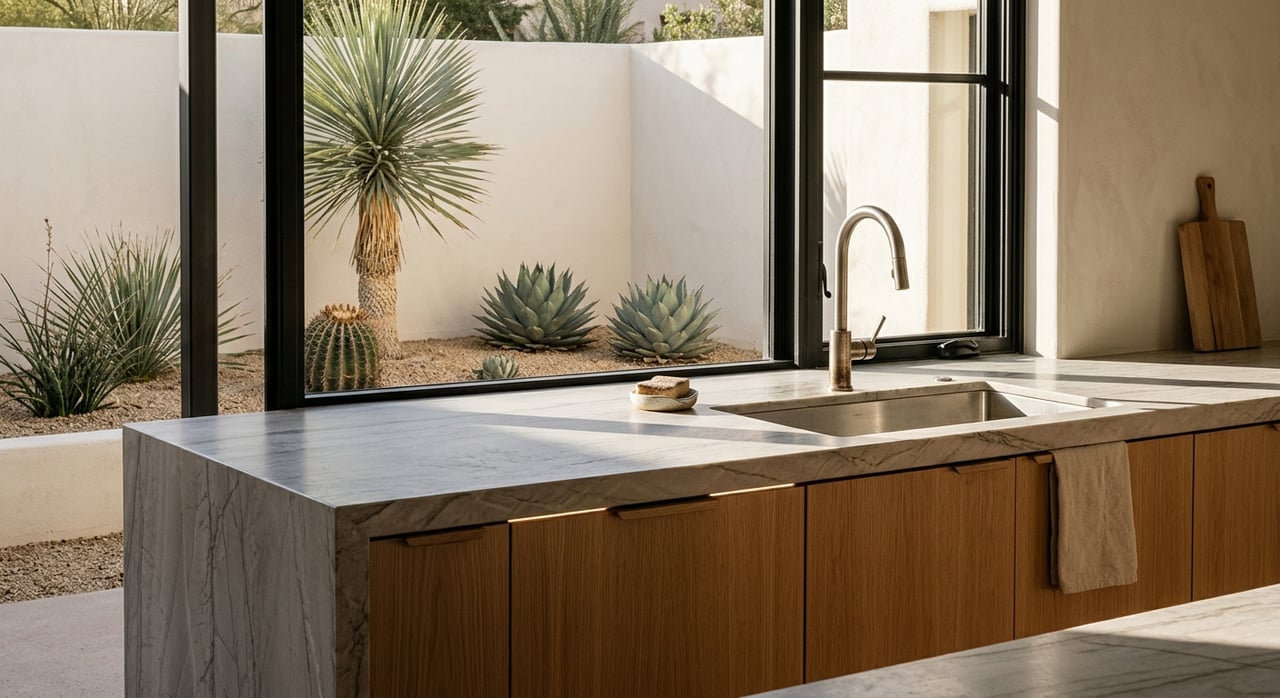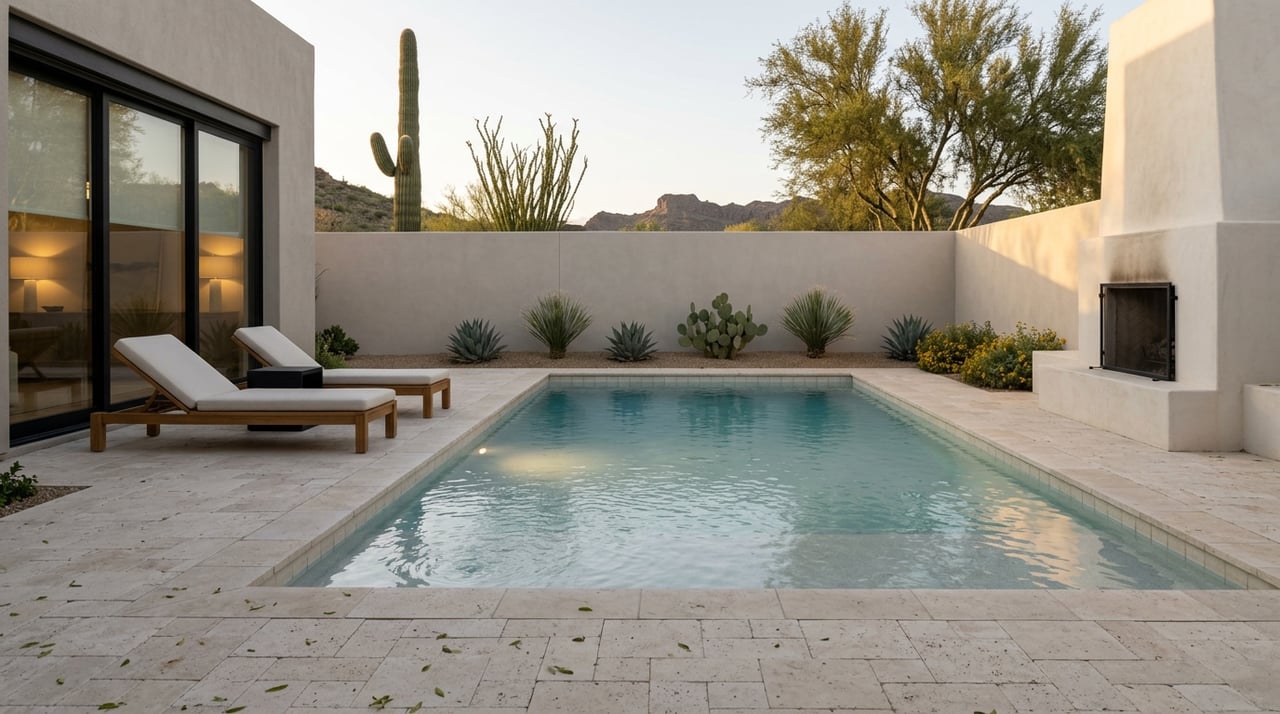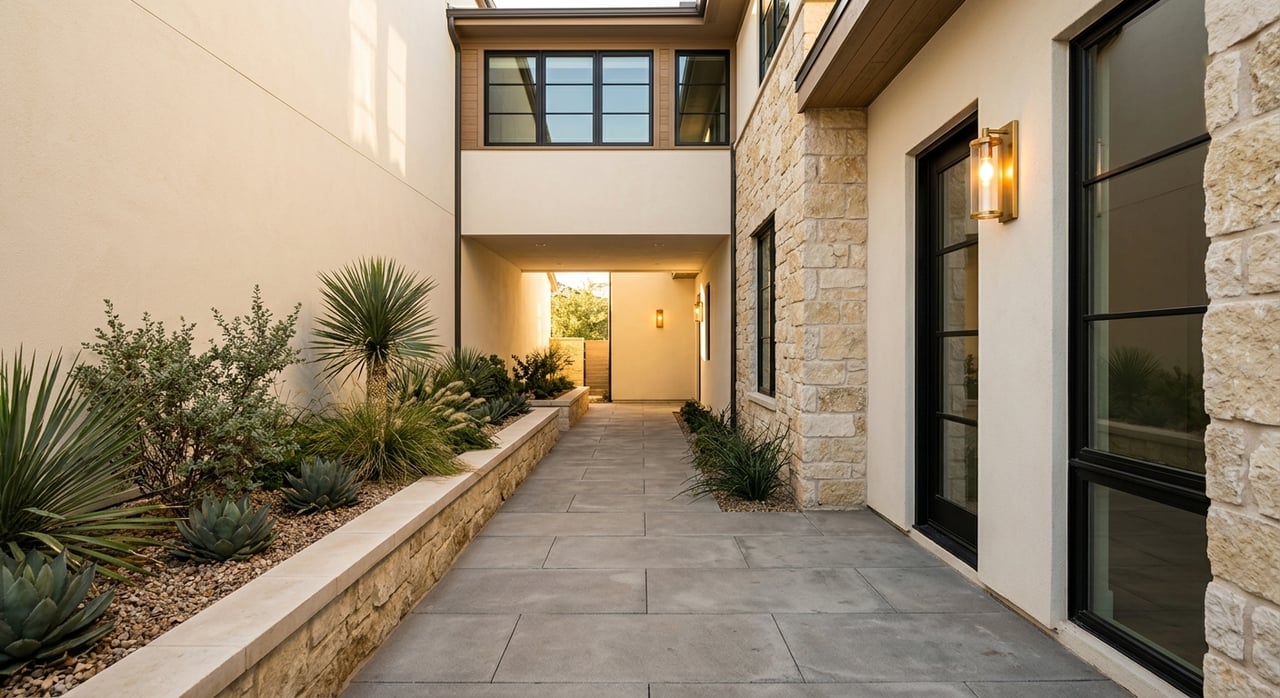
If you want a home that does not demand constant upkeep, Phoenix can be a smart place to look. But “lock-and-leave” means different things in different communities, and the label alone does not tell you what you are really buying. If you are weighing a second home, a seasonal property, or simply a lower-maintenance lifestyle, this guide will help you choose with more confidence. Let’s dive in.
What lock-and-leave means in Phoenix
In Phoenix, lock-and-leave is a lifestyle term, not a legal property type. What matters more is whether the home is part of a condominium or a planned community, because Arizona law treats those differently.
In a condominium, you own your unit and share ownership of the rest of the property with other owners. The association generally maintains the common elements, while you remain responsible for your unit unless the declaration says otherwise. That can make condos appealing if you want a simpler ownership experience, but you still need to confirm the details.
In a planned community, the association is created by declaration and manages the property through mandatory memberships and assessments. The key difference is that maintenance responsibility can vary more from one community to the next. That is why two homes marketed as “lock-and-leave” can operate very differently once you read the documents.
You may also hear the term “patio home” in Phoenix. That name is used loosely and can refer to attached homes, small-lot homes, or properties with HOA-managed exterior care. Rather than relying on the branding, you should verify title, maintenance duties, and use restrictions before moving forward.
Why documents matter more than marketing
The most important question is simple: what do you control, and what does the HOA control? In Phoenix, the answer lives in the declaration, CC&Rs, rules, budget, and financial disclosures.
Arizona law requires condo and planned community associations to make records reasonably available on request. Both also have open meeting requirements with notice and agendas. That transparency can help you see how the board handles repairs, reserves, budgets, and day-to-day operations.
For resale properties, Arizona requires a disclosure packet that can give you a much clearer picture of the community. Depending on the ownership type, that packet may include the bylaws, declaration, rules, budget, annual financial report, insurance information, reserve totals, reserve study if one exists, and information about pending litigation.
That is especially important if you plan to travel often or leave the property vacant for stretches of time. A polished gate, clean landscaping, and attractive entry can look great during a showing, but the paperwork tells you how the community actually functions.
What to review before you buy
If you are choosing a lock-and-leave home in Phoenix, your due diligence should focus on three areas: ownership structure, HOA workload, and location convenience.
Check the maintenance split
Start by confirming who handles what. In a condominium, the association generally maintains common elements, but patios, balconies, and entryways may be limited common elements assigned to one or more units.
That distinction matters. A patio may feel private, but the declaration may treat it differently than the main interior of the home. Before you buy, make sure you understand which spaces you maintain, which spaces the HOA maintains, and where the gray areas are.
Review budget and reserves
A lock-and-leave lifestyle works best when the association is financially prepared for ongoing upkeep. Ask for the current budget, annual financial report, reserve balance, and reserve study if one exists.
These documents can help you assess whether the community is planning ahead for repairs and replacements. They can also reveal whether dues appear aligned with the property’s maintenance needs.
Ask about assessments and repairs
It is wise to ask whether there are pending lawsuits, special assessments, or major repairs on the horizon. Even in a well-kept community, future costs can affect your ownership experience.
If your goal is convenience and predictability, this step matters. A community with deferred maintenance or unresolved issues may not deliver the ease you expect from lock-and-leave living.
Read the rules closely
Community rules can shape your day-to-day experience more than you expect. The Arizona Department of Real Estate advises buyers to read CC&Rs carefully because they may restrict landscaping, exterior changes, RV parking, play equipment, satellite antennas, and similar uses.
For part-time owners, these rules can either support a clean, consistent look or create friction if your plans do not match the community standard. Either way, it is better to know before you buy.
Verify rental rules if needed
If you may rent the property now or later, check the declaration carefully. Arizona law says a member may use property as a rental unless the declaration prohibits it, but rentals still must comply with any declaration-based time-period limits.
That means not every lock-and-leave property will fit an investor or second-home strategy. If flexibility matters to you, verify those rules early.
Review new-construction disclosures
If you are considering new construction, Arizona requires the public report to be provided before the purchase contract is signed. According to ADRE, that report covers utilities, adjacent land uses, common recreation facilities, completion assurances for improvements, local services, taxes and assessments, and property owners association details.
ADRE also advises buyers to review the site, zoning maps, and future freeway plans. In a growing metro like Phoenix, that extra step can help you understand how the surrounding area may change over time.
Phoenix areas many lock-and-leave buyers consider
Location is a major part of the equation. For many buyers, a true lock-and-leave property is not just about lower maintenance. It is also about easy access to daily conveniences, major roadways, and key destinations like Phoenix Sky Harbor.
The City of Phoenix identifies major employment centers and corridors including Downtown Phoenix, Camelback Corridor, Desert Ridge and Kierland, and Sky Harbor Airport. That matters because a home that is easy to leave should also be easy to return to.
Desert Ridge and Desert View
Desert View ranges from higher-density areas along Loop 101, including and near Desert Ridge, to lower-density land uses farther north. Near the core, the village includes office space, retail, condominiums, and master-planned communities.
For buyers who value convenience, this area often stands out because of its access to Loop 101 and its mix of housing and everyday amenities. Desert Ridge Marketplace also adds shopping, dining, and entertainment just north of Loop 101 on Tatum Boulevard.
Biltmore, Arcadia, and Camelback area
The broader Biltmore and Camelback area offers a mix of high-rises, dining, shopping, golf, hiking access, and canal paths. Visit Phoenix describes Biltmore as east of central Phoenix with resorts and high-rises, while Arcadia sits between Camelback Mountain and the Salt River.
If you want a lock-and-leave home with a central feel and quick access to established lifestyle corridors, this part of Phoenix is often worth a closer look. It can appeal to buyers who want low-maintenance living without feeling removed from the city.
Downtown Phoenix and Roosevelt Row
Downtown Phoenix can be especially attractive if you want to be close to dining, arts, entertainment, and major employment centers. The area is presented as a district where many attractions are reachable by a short walk, brief bike ride, or five-minute car ride.
Roosevelt Row adds a walkable arts district with galleries, restaurants, boutique shops, and street art. For buyers prioritizing location efficiency over lot size, downtown may offer a strong fit.
Ahwatukee Foothills
Ahwatukee Foothills is described by the city as a low-rise village with outdoor recreation, golf, and master-planned neighborhoods. The city also notes access to Phoenix and the East Valley through I-10 and major commercial thoroughfares.
If you want a quieter setting with good regional connectivity, Ahwatukee may be worth considering. It can appeal to buyers looking for a more residential feel while still keeping travel and commuting practical.
A simple way to compare communities
When you tour Phoenix communities, it helps to use the same filter each time. Instead of asking whether a home feels like lock-and-leave, ask whether it passes these three tests:
- Ownership structure: Is it a condominium or planned community, and how does that affect maintenance?
- HOA workload: Are the budget, reserves, and rules aligned with the level of convenience you want?
- Location convenience: Does the area support your day-to-day routine, travel plans, and access priorities?
That approach can keep you focused on the right details. It also makes it easier to compare a condo in Biltmore, a townhome near Desert Ridge, or a low-maintenance home in Ahwatukee without getting distracted by marketing language.
How the right guidance helps
Phoenix offers a wide range of low-maintenance options, but the best choice is rarely just about the floor plan or finishes. It is about how the documents, the association, and the location work together to support the lifestyle you want.
That is where local guidance matters. A community can look ideal online, yet feel very different once you review the rules, financials, and access points in person.
If you are exploring lock-and-leave living in Phoenix, the right strategy is part lifestyle planning and part document review. The Schneider Luxury Real Estate Team can help you compare communities, evaluate fit, and move forward with clarity.
FAQs
What does lock-and-leave mean in Phoenix real estate?
- In Phoenix, lock-and-leave is an informal term for low-maintenance ownership, not a legal property type. The real answer depends on whether the home is a condominium or a planned community and what the governing documents say.
What should you review in a Phoenix HOA before buying?
- You should review the declaration, CC&Rs, rules, budget, annual financial report, reserve balance, reserve study if one exists, insurance information, and any pending litigation or special assessment details.
Are Phoenix condos always easier to maintain than planned communities?
- Not always. Condos generally place common-element maintenance on the association, but planned communities can vary widely, so you need to confirm the maintenance split in the documents.
Can you rent out a lock-and-leave home in Phoenix?
- Possibly. Arizona law allows rentals unless the declaration prohibits them, but lease-length limits and other declaration-based rules may still apply.
Which Phoenix areas are popular for lock-and-leave living?
- Buyers often consider Desert Ridge and Desert View, the Biltmore and Camelback area, Downtown Phoenix and Roosevelt Row, and Ahwatukee Foothills because of their access, amenities, and range of housing options.