Wondering whether you should renovate before selling in Paradise Valley? In a luxury market where buyers have time to compare options, condition can shape both your price and your timeline. The good news is that you do not always need a full remodel to make a strong impression. With the right strategy, you can decide whether a light refresh, targeted updates, or an as-is sale makes the most sense for your property. Let’s dive in.
Paradise Valley sets a high bar
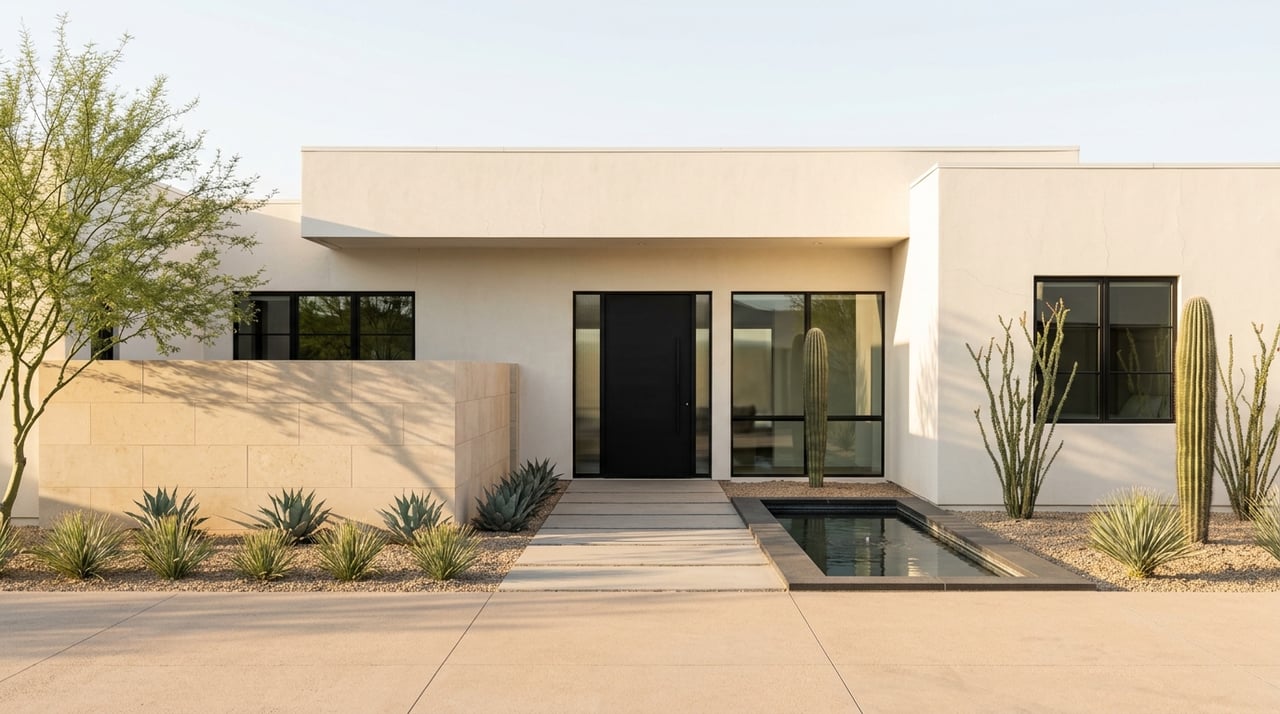
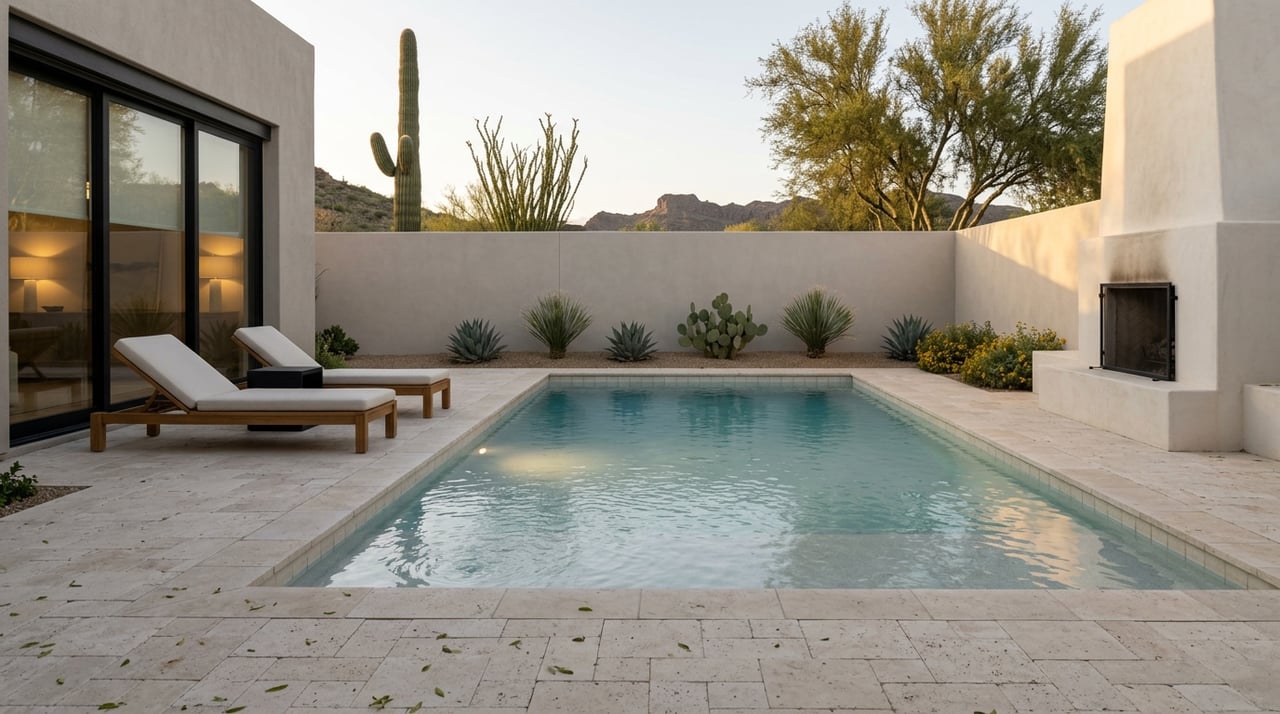
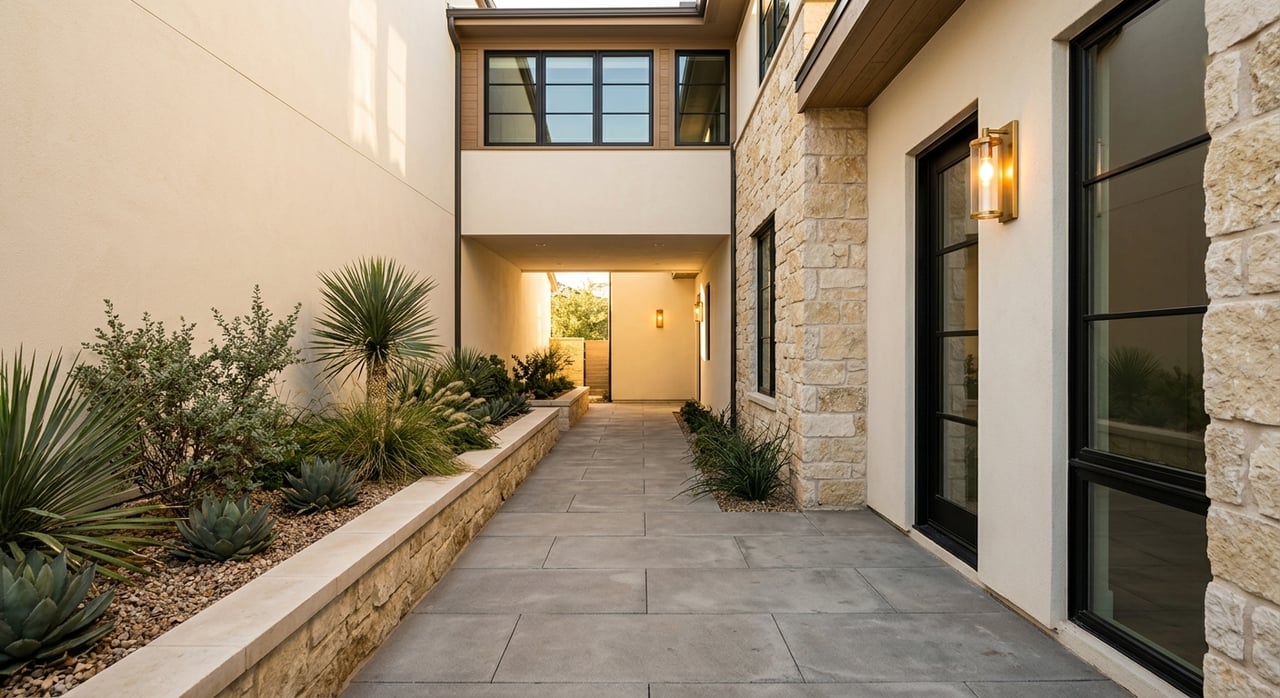
Paradise Valley is a distinctly luxury market with a predominantly single-family residential character. Town planning materials emphasize low-density development, one-acre residential lots in many areas, and a focus on aesthetics and natural open space. That setting matters because buyers are often evaluating not just square footage, but also architecture, lot quality, views, and how well a home fits its surroundings.
The local ownership profile also helps explain buyer expectations. Census data show a 95.0% owner-occupied housing rate, a median owner-occupied home value above $2,000,000, and a median household income of $247,159. In a market like this, buyers tend to notice condition closely, especially when comparing several luxury options at once.
Today’s market is more selective
Public market data point to a cooler, more negotiable environment rather than a fast-moving seller’s market. Redfin reported a median sale price of $4,446,839 in May 2026, about 91 median days on market, and 109 homes sold. Its market summary also noted that homes commonly sold about 6% below list and went pending in around 106 days.
Realtor.com showed a similar pattern, even though the exact figures differ. It reported a median listing price of $5.5 million, 306 active homes for sale, a 93-day median, and a 95% sale-to-list ratio. The methods vary by source, but the takeaway is consistent: buyers in Paradise Valley usually have room to compare condition, negotiate, and wait for the right fit.
What that means for your home’s condition
In a more patient market, original finishes may be discounted more than they would be in a faster market. That does not mean a dated home cannot sell well. It means the lot, views, floor plan, architecture, and overall presentation may need to do more of the work if the interiors feel tired.
This is why the renovation question is not simply yes or no. In Paradise Valley, the better question is often: What level of preparation will improve your net result without over-improving for the market?
The three paths to consider
Most sellers fit into one of three paths before listing. Each can work when matched to the right property, timeline, and pricing strategy.
Light refresh
A light refresh is often the safest place to start. This usually focuses on visible, practical improvements that make the home feel cared for without triggering a long project timeline.
Examples may include:
- Interior paint
- Minor touch-ups and repairs
- Improving curb appeal
- Refreshing dated but functional kitchen or bath surfaces
- Addressing roof condition if needed
- Updating the entry experience
NAR’s 2025 Remodeling Impact Report found that Realtors most often recommend painting the entire home, painting a single room, and installing new roofing before listing. That supports a simple but important point: buyers often respond well to freshness and maintenance, even when the updates are not flashy.
Targeted high-impact renovation
A more focused renovation can make sense when key spaces are holding the home back. Kitchens, bathrooms, roofing, and high-visibility finishes tend to matter because they reduce buyer objections and help the home feel move-in ready.
NAR’s report said the areas seeing the strongest demand increases were kitchen upgrades, new roofing, and bathroom renovations. In other words, if you are going to spend money, the best return may come from updates that buyers immediately understand and value.
Selling as-is
Selling as-is can be the better move when the property’s main value comes from the lot, setting, or architectural potential. It can also make sense when the needed renovation is highly personal, expensive, or likely to involve a long approval process.
In Paradise Valley, this path may be especially relevant if your buyer is likely to reimagine the home anyway. If a future owner plans a substantial redesign, your large pre-sale renovation may not deliver the return you hoped for.
Which updates tend to matter most
Not all renovations carry the same weight. In Paradise Valley, the safest pre-listing improvements are usually the ones that make the home look well-maintained and easy to buy.
Start with what buyers see first
First impressions matter in every price point, but especially in luxury. NAR’s report gave some of the highest cost recovery to a new steel front door, closet renovation, and new fiberglass front door. While every home is different, that finding reinforces the value of clean, polished, high-visibility updates.
A strong starting list often includes:
- Fresh interior paint
- A clean and updated front entry
- Resolved deferred maintenance
- Roof improvements where needed
- Better lighting and presentation
- Landscaping clean-up and curb appeal work
These updates help reduce doubt. That matters in a market where buyers are not rushing.
Kitchens and baths still carry weight
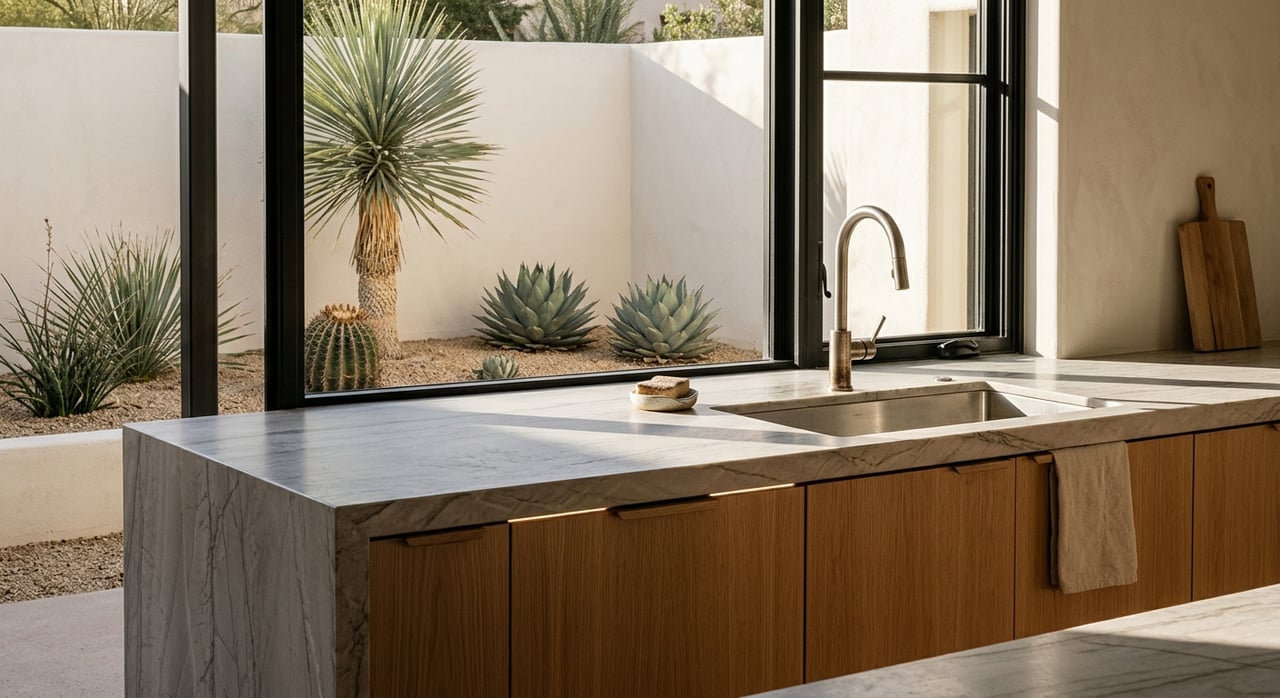
Kitchens and bathrooms remain two of the most watched spaces in a home. If yours feel noticeably dated, selective updates may broaden appeal. That does not always mean a full gut renovation. Sometimes new surfaces, fixtures, hardware, or a cleaner material palette can do enough to improve the showing experience.
The key is restraint. In a luxury market, buyers may appreciate quality finishes, but highly personalized design choices can narrow the audience.
Outdoor living fits the local lifestyle
Zillow research found premiums tied to remodeled homes and to features such as outdoor kitchens, patios, soapstone countertops, white oak floors, and Venetian plaster walls. It also noted value tied to outdoor living features and natural materials.
In Paradise Valley, that likely aligns with the large-lot desert lifestyle and strong indoor-outdoor connection many buyers want. While that is not a Paradise Valley-specific pricing study, it does suggest that tasteful outdoor spaces and natural finishes may resonate when they match the home’s style.
Why major renovations can get complicated
Before you commit to a large project, it is important to understand the local process. In Paradise Valley, construction-related activities require a building permit, and separate applications may apply to building, mechanical, plumbing, fence or site walls, pool or spa, and right-of-way work.
The process can be even more involved on hillside properties. The Town’s Residents Guide says hillside remodeling must be approved by the Hillside Building Committee before permit issuance. It also states that on hillside property, painting, roofing, outdoor lighting, walls and fences, lot disturbance, and landscaping require Town approval.
That does not mean renovations are a bad idea. It means your timeline, carrying costs, and permit burden should all be part of the conversation before you decide to renovate for resale.
When a light refresh is usually enough
A light refresh is often the strongest option when the home already has good bones, the floor plan works, and the location or lot does much of the selling. It can also be smart when your timeline matters and you want to avoid months of contractor coordination.
In today’s Paradise Valley market, buyers are often willing to negotiate on finish level. They may be less forgiving about visible wear, deferred maintenance, or a presentation that feels neglected. That is why smaller improvements can sometimes offer a better risk-reward balance than a major remodel.
When a targeted renovation may pay off
A targeted renovation can be worth considering when one or two spaces are clearly limiting value. This may be true if the kitchen feels far behind the rest of the market, the bathrooms create hesitation, or the roof condition becomes a major concern during buyer review.
You should also weigh whether the renovation will help your home compete against current listings in a similar price band. If nearby luxury homes offer fresher finishes and stronger presentation, a selective upgrade may improve both buyer interest and negotiation leverage.
When selling as-is may be smartest
Selling as-is can be the right move if your property will likely be purchased for its land, views, or redevelopment potential. It may also make sense if the renovation budget is high, the approval process is uncertain, or the finished product would still face negotiation.
That last point matters. Zillow found that remodeled homes can command nearly a 4% sale premium versus expected value, but Realtor.com also found that flipped homes in 2025 sold at an 8.3% discount from their initial post-renovation list price. Even refreshed homes can still be negotiated, so renovation is not a guaranteed shortcut to a premium result.
Focus on your net, not just the list price
The smartest pre-sale decision is usually the one that improves your bottom line, not just the one that sounds impressive. A larger renovation may support a higher asking price, but it also comes with costs, time, approvals, and market risk.
That is why sellers in Paradise Valley should compare three numbers carefully:
- Expected sale price after improvements
- Total renovation and carrying costs
- Likely negotiation room in the current market
A disciplined pricing analysis matters just as much as the renovation plan itself. In a market where homes often sell below list and take about three months to move, your net result depends on more than finishes alone.
A practical way to decide
If you are unsure whether to renovate before selling, start with a simple decision framework:
- Identify the home’s main value drivers, such as lot, views, architecture, layout, or condition.
- Compare your property to likely competing listings and recent sales in a similar range.
- Separate cosmetic improvements from projects that require permits or a longer timeline.
- Estimate the cost, timing, and likely buyer reaction for each option.
- Choose the path that best supports your net proceeds and timeline.
For many Paradise Valley sellers, the winning answer is not a full remodel. It is a focused plan that improves presentation, reduces objections, and keeps the process efficient.
If you are thinking about selling in Paradise Valley, the right advice starts with your specific home, your likely buyer, and the level of prep the market will actually reward. The Schneider Luxury Real Estate Team can help you evaluate whether a light refresh, targeted improvements, or an as-is strategy makes the most sense for your goals.
FAQs
Should you renovate before selling a home in Paradise Valley?
- It depends on your home’s condition, price point, lot value, and timeline. In many cases, a light refresh or targeted updates make more sense than a full remodel.
What renovations matter most before listing in Paradise Valley?
- The most practical updates are often interior paint, roof-related improvements, kitchen and bath freshness, curb appeal, and a strong front entry.
Is selling a Paradise Valley home as-is a bad idea?
- No. Selling as-is can be a smart choice when the lot, views, or architectural potential are the main value drivers, or when renovation would be too costly or time-consuming.
Do Paradise Valley renovations require permits?
- Yes. The Town says construction-related activities require permits, and hillside properties may need additional review and approvals before work begins.
How long does it take to sell a home in Paradise Valley?
- Recent public market reports showed roughly 91 to 93 median days on market, with pending timelines around 106 days in one report, suggesting a market where buyers often take time to compare options.