Looking for a place that feels tucked away without feeling cut off? Paradise Valley stands out for exactly that reason. If you want more land, wider mountain views, and a quieter residential setting in the middle of the Valley, this town offers a distinct kind of desert living. Let’s take a closer look at what makes Paradise Valley so unique.
What Paradise Valley Is Known For
Paradise Valley is a small town in Maricopa County with a mostly residential identity. The Town reports a land area of 15.4 square miles and a 2025 population estimate of 12,774, which helps explain why it feels less crowded than many nearby communities.
It is also known for protecting its character. Town planning has long centered on preserving a low-density setting, with single-family homes as the dominant land use, even with 9 resorts and 3 golf courses inside town limits.
That balance shapes the experience of living here. You get a community that feels peaceful and estate-oriented, while still sitting in the heart of the Scottsdale-Phoenix area.
Why Paradise Valley Feels So Private
Privacy in Paradise Valley is not just about gates or landscaping. It starts with the town’s history as a rural residential area, where homes were often built on parcels ranging from one to five acres. That early pattern still influences how the town looks and feels today.
The Town’s General Plan says Paradise Valley should remain primarily a one-acre residential community. In areas where zoning allows, lots larger than one acre are encouraged, which supports a more spacious layout between homes.
Street design also matters. Paradise Valley has about 144.5 miles of paved streets, and local streets are intended to limit through traffic and mainly serve nearby residences and properties. In day-to-day life, that can translate into a calmer, lower-traffic environment.
Another part of the story is how the town approaches development. The Hillside Building Committee reviews land disturbance, height, lighting, grading, drainage, materials, and related items for new homes and major improvements, helping hillside projects stay visually restrained.
Mountain Views Shape Daily Life
Paradise Valley is framed by some of the most recognizable desert mountain backdrops in the region. Camelback Mountain sits to the south, the Phoenix Mountain Preserve to the west, and the McDowell Mountains to the east.
These natural edges do more than create pretty scenery. The Town’s open-space planning emphasizes protecting mountain views, natural features, wash areas, and wildlife habitat, which helps preserve the visual character that many buyers come here for.
The Paradise Valley Mountain Preserve Trust also works to acquire, maintain, preserve, and protect undeveloped land around mountain preserve areas, including Mummy Mountain, Camelback Mountain, and preserve land within town boundaries. That ongoing focus supports the quiet desert setting people often associate with Paradise Valley.
The result is a place where the land itself plays a major role in value. In Paradise Valley, luxury is often tied as much to the setting, view corridors, and open space as it is to the finishes inside the home.
Estate Lots Change What a Home Can Be
If you are comparing Paradise Valley to a more typical suburban market, lot size is one of the biggest differences. Larger parcels create room for homes and amenities that would feel exceptional elsewhere but are more common here.
Featured homes in Paradise Valley show the range. Examples cited in published home profiles include estates on 2 acres or more with panoramic mountain and city-light views, infinity-edge pools, spas, gyms, theaters, putting greens, elevators, and multiple garages.
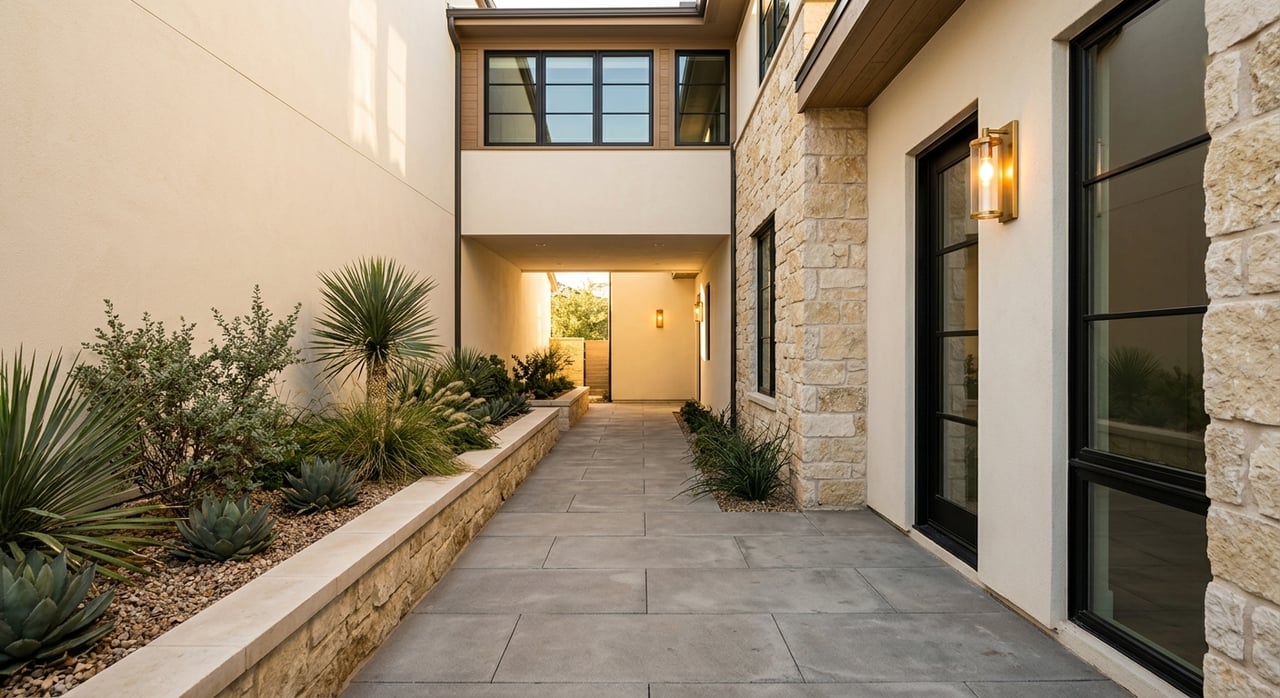
Even beyond headline features, the general pattern is clear. Homes in this market often include detached guest space or casitas, large patios, office or studio space, generous glazing, and strong indoor-outdoor living.
For many buyers, that extra space brings flexibility. It can support guests, work-from-home routines, hobbies, wellness spaces, or a more private lock-and-leave setup depending on the property.
Architecture Has Range, Not One Look
Paradise Valley does not follow one strict architectural style. Town planning documents support preserving community character while allowing a reasonable range of treatments on individual properties.
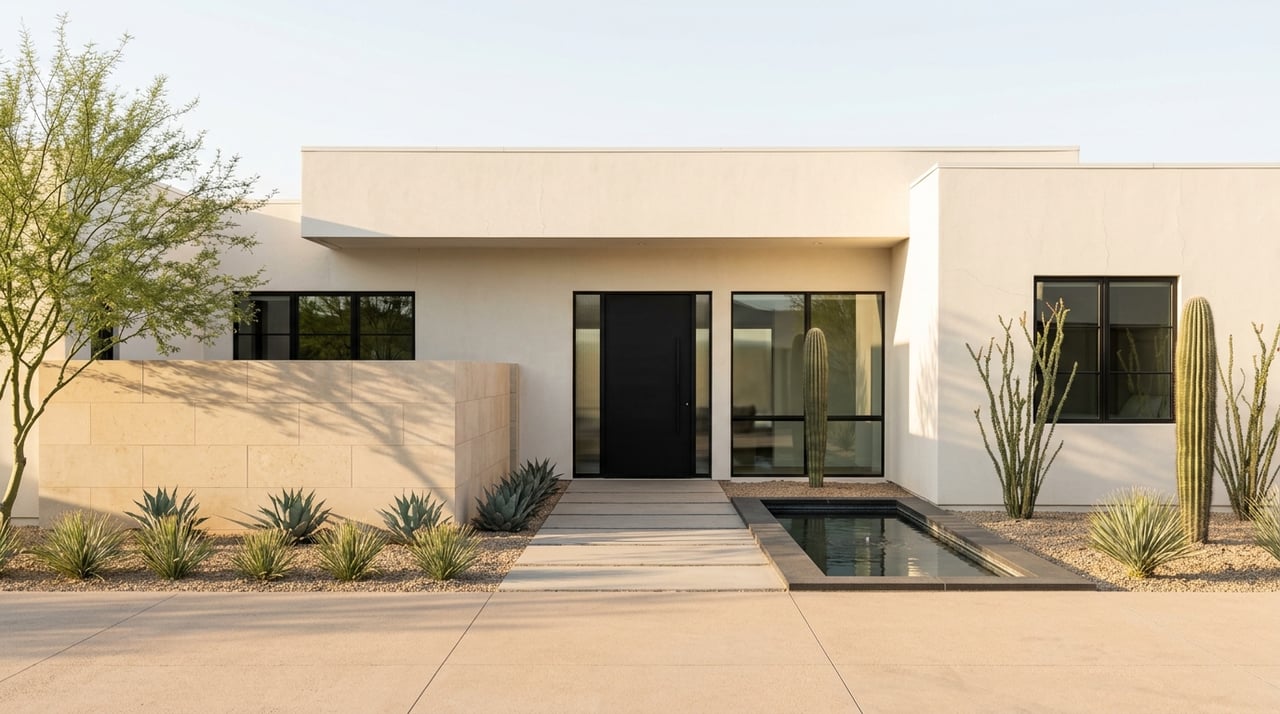
That means you will see variety rather than repetition. Current featured homes and published profiles span contemporary desert estates, modern hillside homes, midcentury designs, and restored adobe properties.
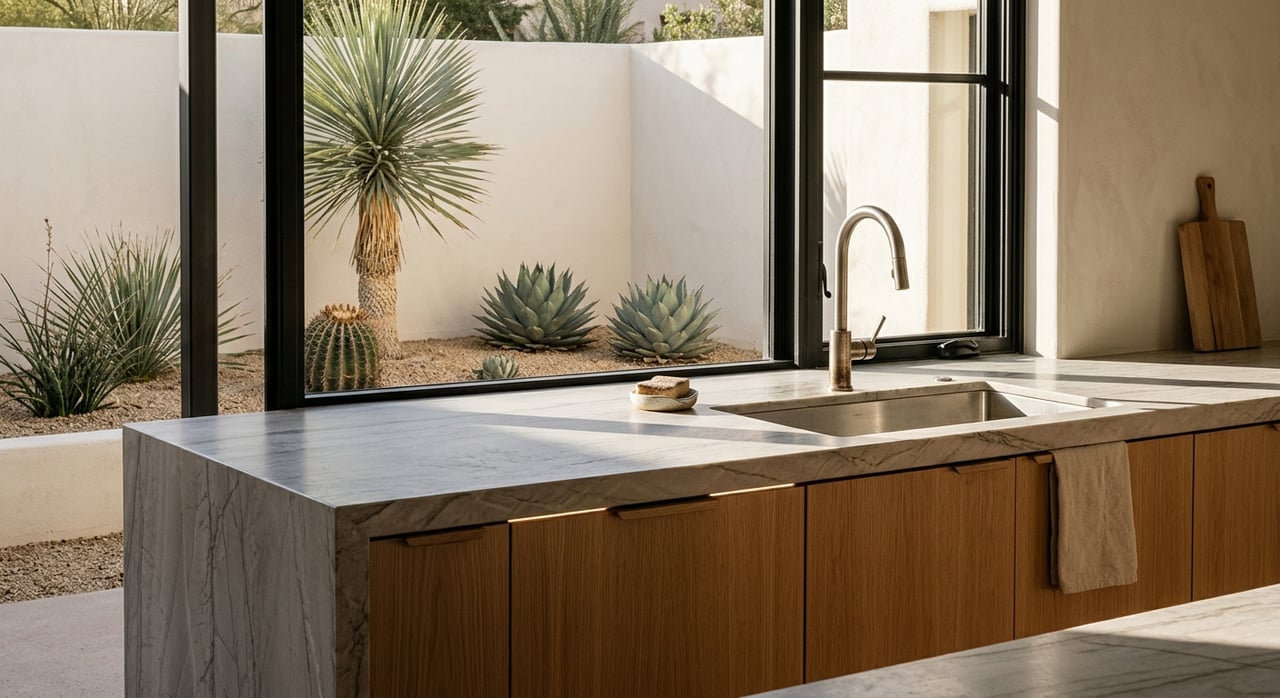
Even with that range, there are common threads. Many homes are low-profile, view-oriented, and designed to connect indoor and outdoor spaces in a way that fits the desert climate.
For you as a buyer, that can be a major advantage. You are not limited to one visual identity, which opens the door to finding a home that matches both your lifestyle and your design preferences.
Resort Access Without a Busy Feel
One of Paradise Valley’s biggest strengths is how it blends residential calm with easy access to lifestyle amenities. The Town says it is home to 9 resorts and 3 golf courses, which gives the area a strong resort presence without turning it into a dense commercial hub.
That matters if you want convenience without constant activity outside your door. Paradise Valley is often described as quiet and secluded, yet still close to restaurants, shopping, transportation routes, and the broader Scottsdale-Phoenix network.
This combination is a major draw for relocation buyers, second-home owners, and executives who want a serene home base with quick access to the Valley’s business and leisure destinations. It is a setting that supports both everyday comfort and a polished desert lifestyle.
What Daily Living Can Feel Like
Paradise Valley is often described as a quiet desert oasis, and the Town notes it averages 294 days of sunshine each year. That climate and setting naturally pull daily life outdoors.
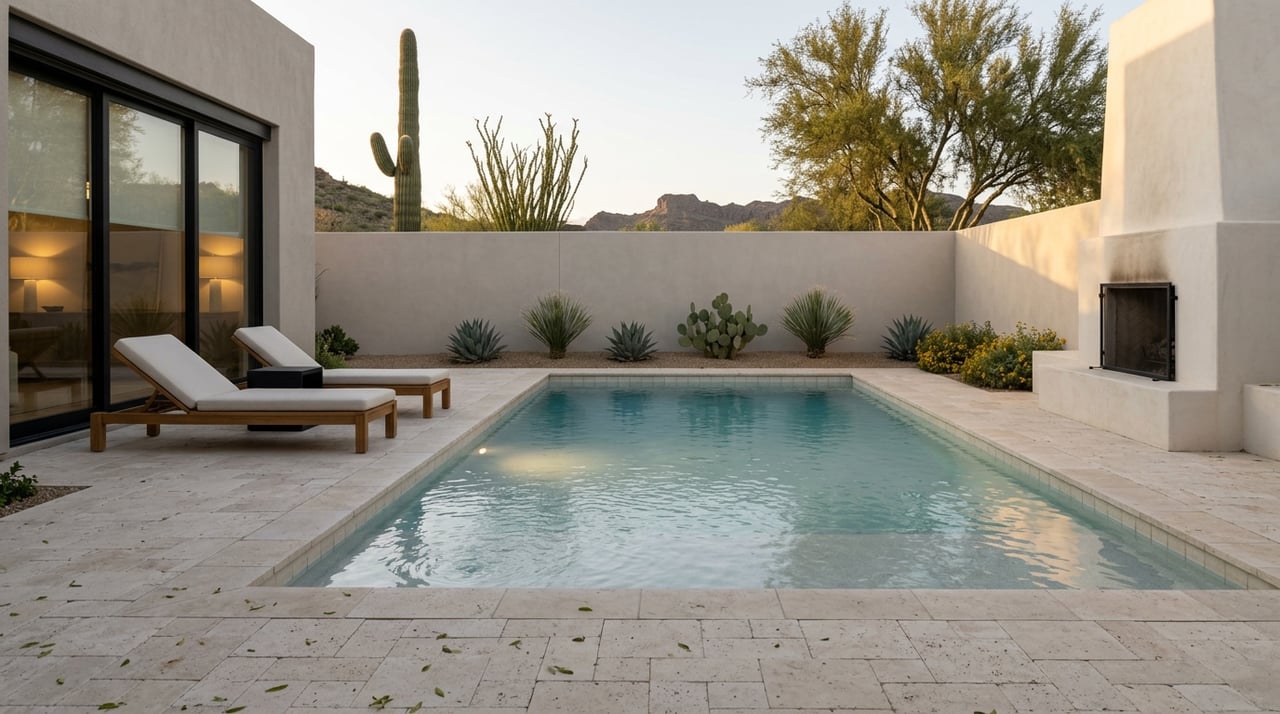
Depending on the property, your routine may center on a pool courtyard, covered patio, mountain-facing windows, or separate guest quarters that make hosting easier. In many homes, indoor and outdoor spaces are designed to work together instead of feeling separate.
The town’s planning priorities also support this experience. Goals around preserving natural terrain, minimizing visual impact, and locating utilities underground where possible all contribute to a cleaner, more understated backdrop.
For many homeowners, that means the atmosphere feels intentional. The setting is polished, but it is the land, light, and space that often leave the biggest impression.
Who Paradise Valley Appeals To Most
Paradise Valley tends to appeal to buyers who value space, privacy, and a more custom residential environment. If you want a home that feels set apart from denser neighborhoods, this market can offer that in a meaningful way.
It can also appeal to buyers who do not want to choose between seclusion and access. You can enjoy a quiet home setting while remaining close to Scottsdale, Phoenix, resorts, golf, dining, and major transportation routes.
Because the housing stock is so individualized, buying here often requires a more nuanced approach. Lot orientation, mountain adjacency, view lines, layout flexibility, and how a home sits on its parcel can matter just as much as square footage.
Why Local Guidance Matters Here
Paradise Valley is not a one-size-fits-all market. Two homes may both be in the same town, but offer very different experiences based on lot size, setting, architecture, privacy, and how they relate to surrounding open space.
That is why local context matters. If you are relocating, moving up, or searching for a second home, it helps to work with a team that understands the nuances of Paradise Valley and the surrounding Scottsdale-area luxury market.
The right guidance can help you compare properties more clearly, understand what is typical for the area, and focus on the details that shape long-term enjoyment and resale appeal. In a market defined by land and setting, those details count.
If you are considering a move in Paradise Valley or the surrounding area, the Schneider Luxury Real Estate Team offers polished local guidance, responsive support, and a calm, strategic approach tailored to Scottsdale and Paradise Valley buyers and sellers.
FAQs
What is Paradise Valley, Arizona known for?
- Paradise Valley is known for large residential lots, mountain views, low-density single-family housing, and access to resorts and golf rather than a large commercial core.
How private are homes in Paradise Valley?
- Many homes feel private because the town emphasizes one-acre-oriented residential land use, limited through traffic on local streets, open-space preservation, and hillside development review.
What types of homes are common in Paradise Valley?
- Paradise Valley is best known for custom estate-style homes that may include pools, guest quarters or casitas, office space, large patios, multiple garages, and strong indoor-outdoor design.
Does Paradise Valley have one architectural style?
- No. Homes in Paradise Valley range from contemporary and modern to midcentury and adobe-inspired, with many properties designed around views, desert climate, and site-specific layout.
Is Paradise Valley close to Scottsdale and Phoenix amenities?
- Yes. Paradise Valley is located in the heart of the Scottsdale-Phoenix area, which allows for convenient access to dining, shopping, resorts, golf, and transportation routes while maintaining a quieter residential feel.